The world’s most affordable and flexible professional broadcast for HD and Ultra HD!
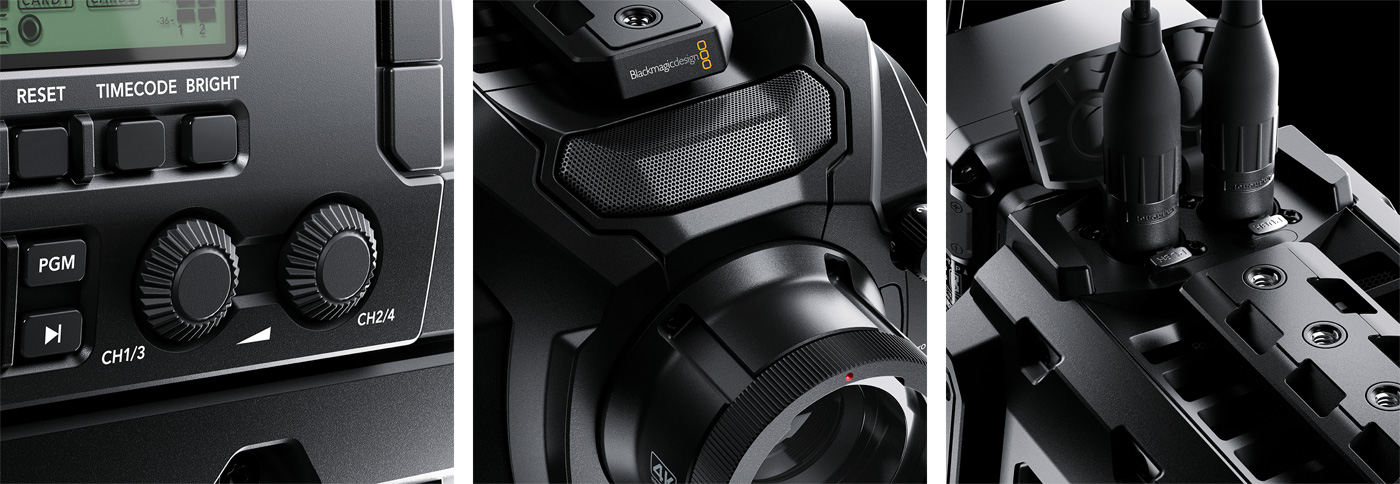
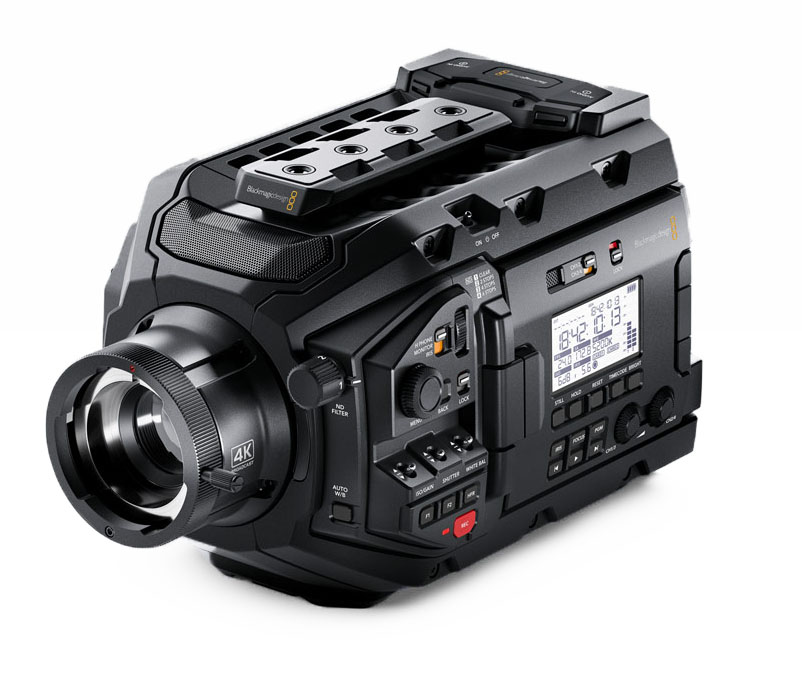
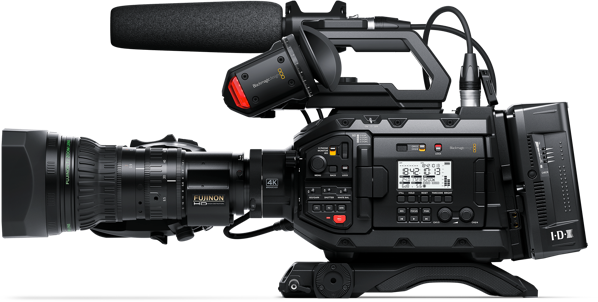
Introducing URSA Broadcast, the world’s most affordable and most flexible professional broadcast camera. URSA Broadcast is two cameras in one, an incredible field camera for ENG and programming work, as well as a professional studio camera! URSA Broadcast is perfect for traditional broadcasters because it uses the lenses and batteries you already own, and it also eliminates weird media cards and file formats found on traditional cameras. It records onto regular SD cards and uses the same common file formats found on broadcast media management systems and most NLE software. Plus URSA Broadcast is perfect for web broadcasters because it works with both older after market HD lenses and inexpensive photo lenses. No other broadcast camera is more flexible and more affordable!Features:
-Two Cameras in one
-Standard Media And File Formats
-Broadcast B4 Lens Mount
-Work In Hd orUltra Hd
-Built In Optical ND Filters
Two Cameras in One
URSA Broadcast is two cameras in one! The compact design, familiar controls and broadcast camera features are ideal for ENG style shooting and vital for working quickly when you’re trying to capture breaking news. Whether you’re in the studio or out in the field, URSA Broadcast will give you incredible image quality, accurate skin tones and vibrant colors that are far superior to cameras costing ten times more. The key is URSA Broadcast's new extended video mode that produces pictures you don’t need to color grade so you can shoot, edit and get stories on air faster than ever before. URSA Broadcast is also the first camera that finally lets AV and web broadcasters afford a true professional broadcast solution that’s dramatically better than DSLRs!
Standard Media and File Formats
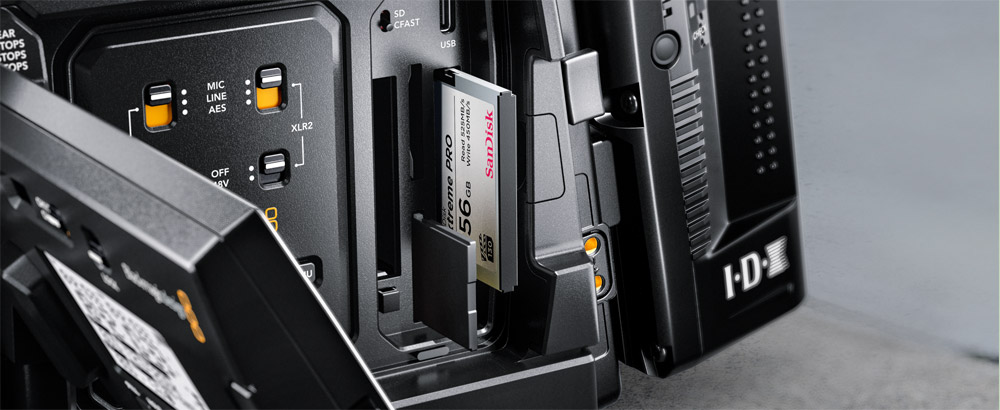
URSA Broadcast is the first professional broadcast camera designed to work with standard media cards and file formats that are compatible with virtually all broadcast systems and editing software. URSA Broadcast records onto inexpensive standard SD cards, UHS-II cards and CFast cards, and records 1080i or 2160p video into standard .mov files, with .mxf to be added in future updates. URSA Broadcast records using DNx145, DNx220X or ProRes so the files will work with your existing broadcast systems and workflows.
Broadcast B4 Lens Mount
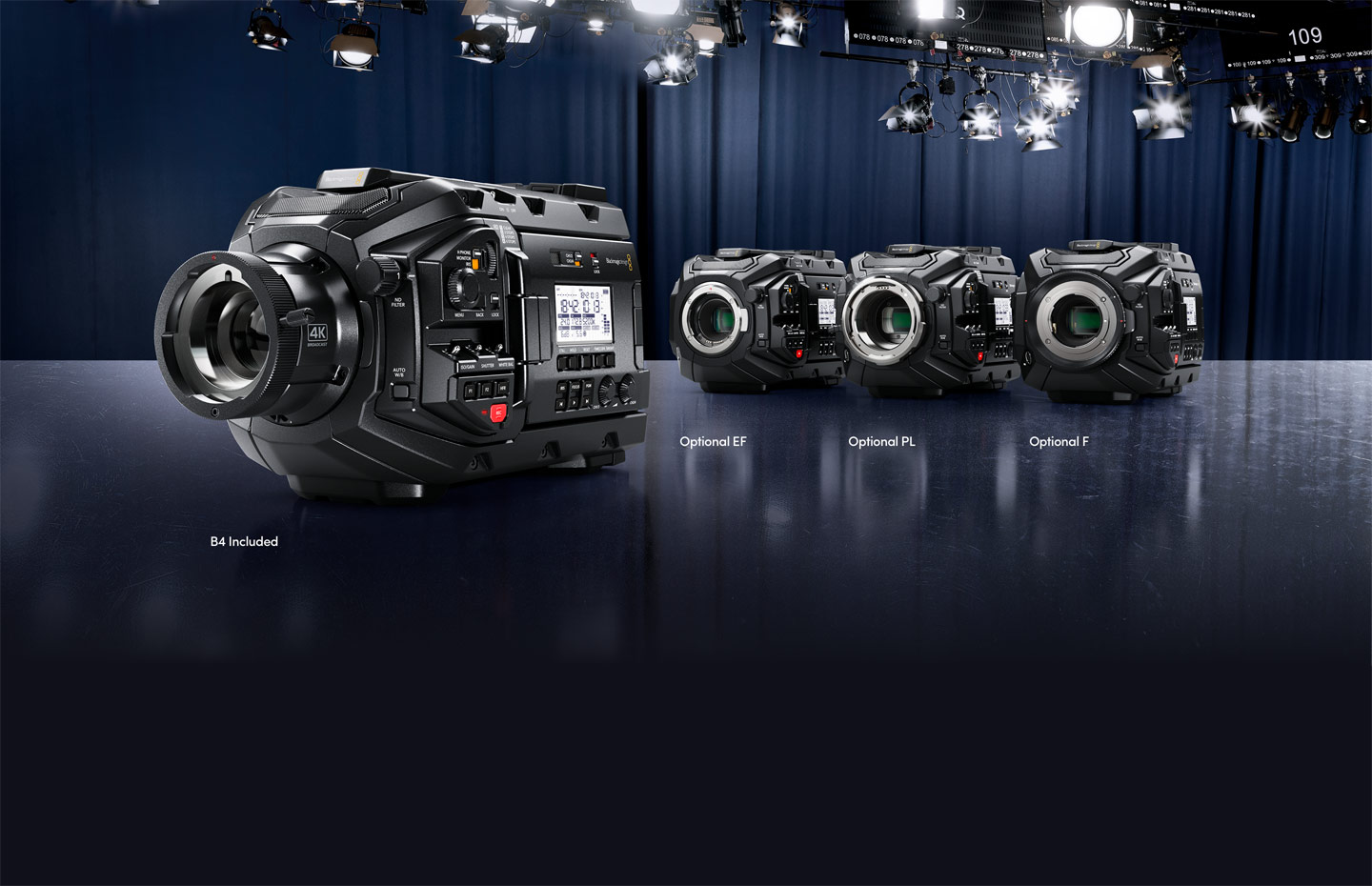
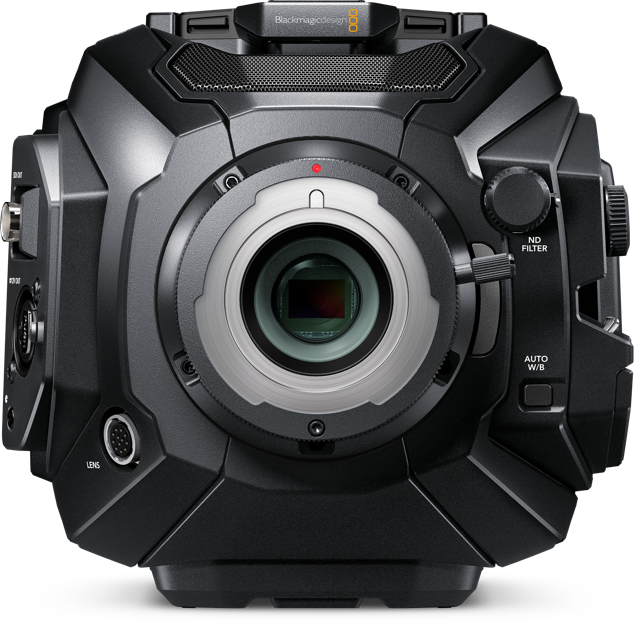
The broadcast B4 lens mount on URSA Broadcast features high performance cinema quality optics with spherical aberration correction specifically designed to match the camera’s sensor. The ⅔” mount lets you use existing HD lenses or Ultra HD lenses. Many high quality HD lenses can be used at resolutions well beyond HD, all the way up to 2.5K or 3K. Because B4 lenses are par-focal and have a very wide depth of field, the image stays in focus as you zoom in and out, so you don't need to chase focus as you shoot. That lets you work much faster because you don’t need to change lenses or refocus between close up, medium and wide shots, which is perfect when you’re following the action in fast paced sport! You also get full electronic B4 lens control so you can adjust the focus, iris and zoom using the camera’s controls, or remotely from an ATEM switcher using the SDI camera control protocol.
Work in HD or Ultra HD
URSA Broadcast features an incredible 4K image sensor and a new extended video mode with better dynamic range and color fidelity. The image sensor is designed for both HD and Ultra HD so you get amazing texture and detail, accurate skin tones, vibrant color and high dynamic range video, all without the need for post production.
Built in Optical ND Filters
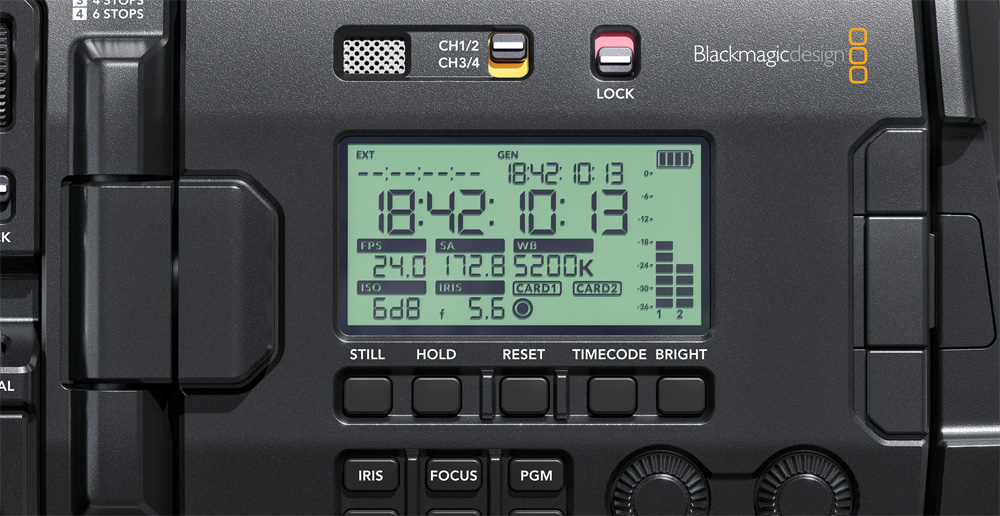
URSA Broadcast features high quality neutral density (ND) filters that let you quickly reduce the amount of light entering the camera. The ¼, 1/16th and 1/64th stop filters have been specifically designed to match the image sensor and color science of URSA Broadcast. The IR filters have been designed to evenly filter both optical and IR wavelengths. This eliminates the IR contamination usually associated with most ND filters. The ND filters are true optical filters with a precision mechanism that quickly moves them into place when the ND filter dial is turned. The filter settings can be displayed as either a fraction, number, or stop reduction on the LCD.