
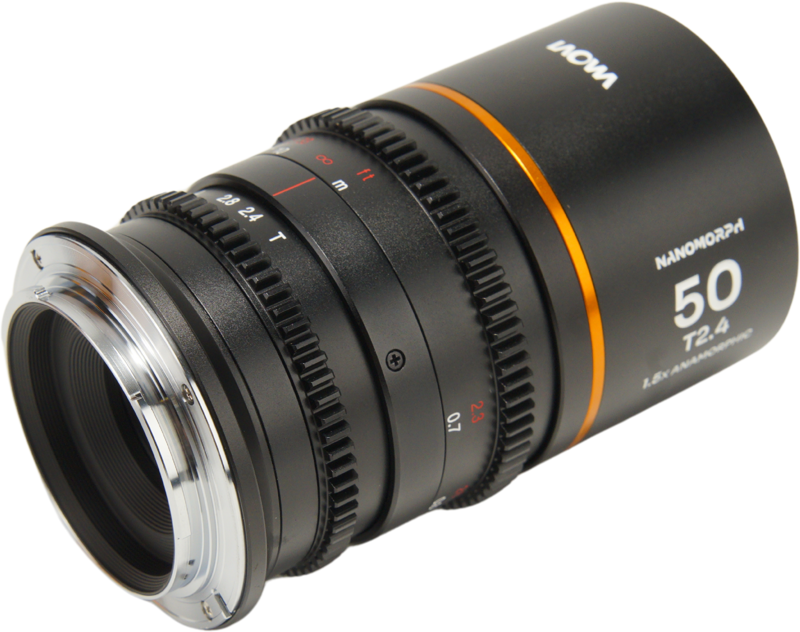
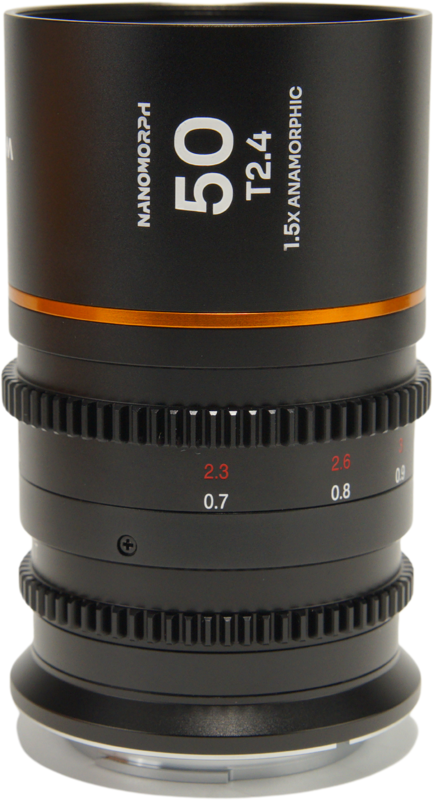
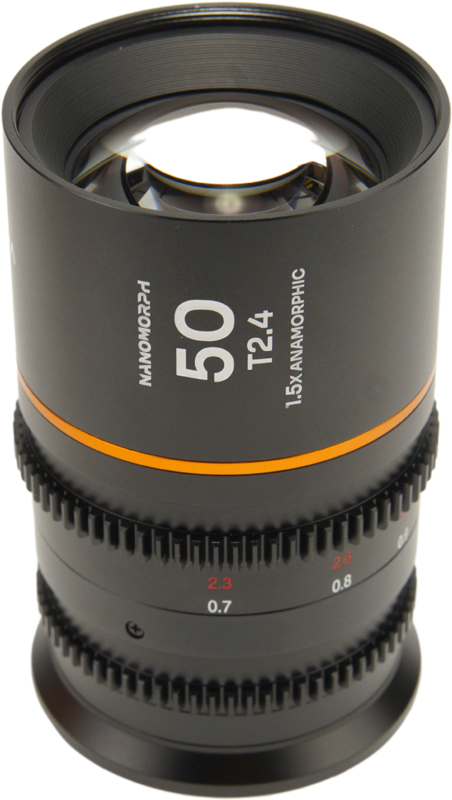
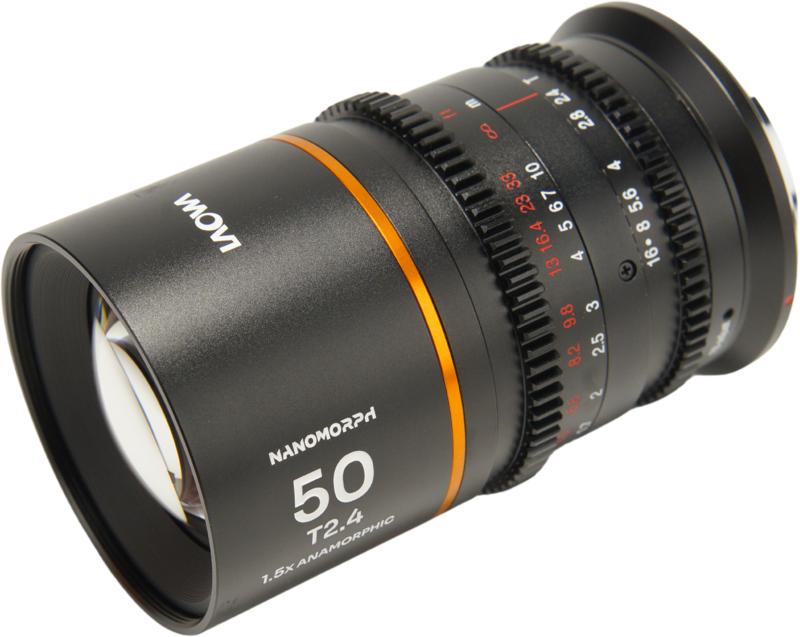
Laowa Nanomorph 50mm T2.4 1.5X S35 (Amber) - Fuji X
- Acquisto senza IVA disponibile al momento del pagamento.
- BrandLaowa
Descrizione
Cod. art.: 27045
Laowa Nanomorph 50mm T2.4 1.5X S35 (Amber) – 1.5x Anamorphic Squeeze per Widescreen Cinematografico
La Laowa Nanomorph 50mm T2.4 1.5X S35 (Amber) è un obiettivo cine anamorfico compatto e leggero progettato per fotocamere cinematografiche Super35. Offre uno squeeze anamorfico 1.5x per creare un autentico aspetto widescreen cinematografico. Inoltre, l’obiettivo rende un bokeh ovale e flare orizzontali allungati che contribuiscono a un’estetica anamorfica classica.
Progettato per riprese in stile ritratto e incentrate sui personaggi
La lunghezza focale di 50mm offre una prospettiva naturale con una compressione favorevole. Pertanto, questo obiettivo è adatto a riprese incentrate sui personaggi, cinematografia in stile ritratto e narrazioni drammatiche. I filmmaker possono usarlo per enfatizzare la separazione del soggetto mantenendo gli sfondi piacevolmente compressi.
Apertura, bokeh e comportamento ottico
Con una luminosa apertura T2.4, l’obiettivo si comporta bene in condizioni di scarsa illuminazione e permette di controllare con precisione la profondità di campo. Il diaframma a 13 lamelle produce una ridotta profondità di campo e un bokeh morbido e artistico che migliora la separazione del soggetto. Inoltre, le ottiche anamorfiche progettate con precisione offrono dettagli nitidi, minimo focus breathing e transizioni di messa a fuoco fluide per una qualità d’immagine costante durante le raddrizzate della messa a fuoco.
Ergonomia, montaggio e opzioni di flare
Il design compatto della Nanomorph la rende adatta a configurazioni portatili, su gimbal e droni dove dimensioni e peso sono importanti. Presenta anelli dentati standard mod 0.8 sia per la messa a fuoco che per il diaframma, permettendo un’integrazione senza soluzione di continuità con sistemi professionali di follow-focus. L’obiettivo è disponibile in più opzioni di flare—blue, amber e silver—e questa versione elencata su Amazon produce flare anamorfici caldo-ambra. L’opzione amber genera ricche scie dorate che aggiungono calore e profondità alle riprese mantenendo un aspetto organico e naturalistico.
Costruzione e controllo
Questo obiettivo offre controllo manuale della messa a fuoco e del diaframma per piena libertà creativa durante le riprese. La robusta costruzione completamente metallica garantisce affidabilità di livello professionale, adatta all’uso produttivo regolare.
Caratteristiche principali:
- Squeeze anamorfico 1.5x per un autentico aspetto widescreen cinematografico
- Lunghezza focale 50mm, ideale per inquadrature in stile ritratto e riprese incentrate sui personaggi
- Apertura T2.4 per eccellenti prestazioni in condizioni di scarsa luminosità e controllo della profondità di campo
- Diaframma a 13 lamelle per una ridotta profondità di campo e un bokeh morbido e artistico
- Flare anamorfici caldo-ambra per un’estetica cinematografica dorata e organica
- Bello bokeh ovale e maggiore separazione del soggetto
- Design compatto e leggero, perfetto per cinematografia portatile, su gimbal e droni
- Ottiche anamorfiche di precisione con minimo focus breathing
- Anelli dentati standard mod 0.8 per un’operazione follow-focus senza intoppi
- Controllo manuale della messa a fuoco e del diaframma per piena libertà creativa
- Costruzione robusta completamente metallica per affidabilità professionale
Cosa c’è nella confezione:
- Obiettivo Laowa Nanomorph 50mm T2.4 1.5X S35 (Amber)
- Coperchio anteriore dell’obiettivo
- Coperchio posteriore dell’obiettivo
- Custodia protettiva per obiettivo
| Specification | Details |
|---|---|
| Focal length | 50mm |
| Maximum aperture | T2.4 |
| Anamorphic squeeze | 1.5x |
| Coverage | Super35 (S35) |
| Iris blades | 13-blade iris |
| Geared rings | Standard 0.8 mod on focus and aperture |
| Flare option (this version) | Amber anamorphic flares |
| Focus / aperture control | Manual focus and aperture control |
| Construction | Durable all-metal construction |
| Lens mount | Fuji X |
FAQ
Question: Is this lens compatible with Super35 cameras and Fuji X mount bodies?
Answer: Yes. The Nanomorph 50mm is designed for Super35 cinema cameras and this listing specifies the Fuji X mount version, making it suitable for Fuji X mount bodies that support Super35 coverage.
Question: What visual effect does the amber flare option provide compared to other flares?
Answer: The amber flap option produces warm golden streaks that add warmth and depth to your footage. It creates an organic, naturalistic look while preserving the classic elongated horizontal anamorphic flares and oval bokeh associated with anamorphic lenses.
Question: Can I use this lens on gimbals, drones, or handheld rigs?
Answer: Yes. The lens is compact and lightweight, which makes it suitable for handheld, gimbal, and drone setups. Additionally, its standard 0.8 mod geared rings on focus and aperture allow easy integration with professional follow-focus systems for these rigs.
Question: How does the T2.4 aperture affect low-light shooting and depth of field?
Answer: The bright T2.4 aperture allows improved low-light performance while giving you control over depth of field. Combined with the 13-blade iris, it enables shallow depth of field and smooth bokeh, which helps separate subjects from the background.
Question: Does the lens support smooth focus pulls and minimal focus breathing?
Answer: Yes. The lens features precision-engineered anamorphic optics designed to provide sharp details, minimal focus breathing, and smooth focus transitions, which are beneficial for cinematic focus pulls.