
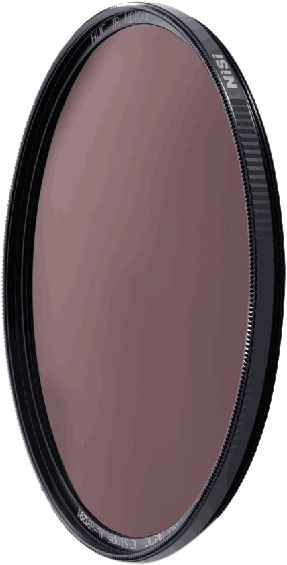
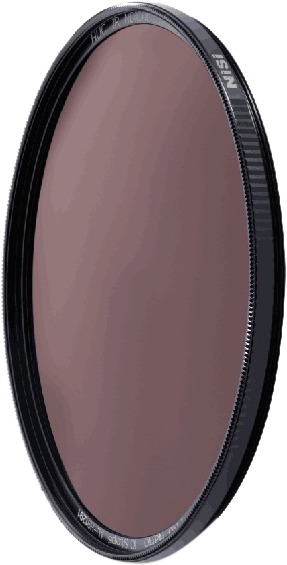
NiSi Filter IRND64 Pro Nano Huc 49mm
- Acquisto senza IVA disponibile al momento del pagamento.
- BrandNiSi
Descrizione
Cod. art.: 28547
NiSi Filter IRND64 Nano Huc 49mm – ND da 6 stop per esposizioni più lunghe e aperture più ampie
Il NiSi Filter IRND64 Nano Huc 49mm riduce la luce in ingresso di 6 stop. È adatto a videomaker e fotografi di paesaggio che desiderano usare tempi di posa più lenti o aperture maggiori rispetto a quanto sarebbe altrimenti possibile. Il filtro combina densità neutra, correzione IR e rivestimenti nano idrofobici in una montatura ultra-sottile per l’utilizzo con grandangoli.
Cosa fa questo filtro ND da 6 stop
Avvita il NiSi IRND64 Nano Huc per ridurre in modo uniforme la quantità di luce che entra nell’obiettivo. Di conseguenza, puoi scegliere un tempo di posa più lungo per creare sfocature di movimento o un’apertura maggiore per ottenere una profondità di campo più ridotta. Inoltre, i videomaker possono usare il filtro per girare a velocità specifiche che aiutano a produrre una resa delle immagini naturale.
Caratteristiche principali e vantaggi
- Riduce l’esposizione di 6 stop — fornisce una significativa riduzione della luce per esposizioni lunghe e riprese con grandi aperture.
- Rivestimento IR — aiuta a eliminare la luce infrarossa ed evita dominanti di colore che possono verificarsi durante le esposizioni lunghe.
- Realizzato in vetro ottico — mantiene la nitidezza e la risoluzione dell’immagine.
- Rivestimento nano — respinge acqua e grasso, rendendo il filtro più facile da mantenere pulito sul campo.
- Montatura opaca nera, ultra-sottile (3,5mm) — minimizza il rischio di vignettatura su obiettivi super grandangolari.
Ambiti di utilizzo
Usa questo filtro per fotografia di paesaggio e ritrattistica quando vuoi rallentare i tempi di posa per ottenere sfocature di movimento o aprire il diaframma per una profondità di campo più ridotta. Allo stesso modo, i videomaker possono impiegarlo per controllare l’esposizione mantenendo i frame rate e i tempi di otturazione desiderati per una resa del movimento dall’aspetto naturale.
| Specification | Value |
|---|---|
| Model | NiSi Filter IRND64 Nano Huc |
| Light reduction | 6 stops (ND64) |
| Thread size | 49mm |
| Material | Optical glass |
| Frame thickness | 3.5mm |
| Frame finish | Matt black, ultra thin |
| Coatings | Nano coating; IR coating |
Smart FAQ
Question: Will this ND filter change the color of my images?
Answer: The NiSi IRND64 Nano Huc is designed not to affect color rendition. In addition, the IR coating helps eliminate infrared light that can cause color casts during long exposures.
Question: Is this filter suitable for wide-angle lenses?
Answer: Yes. The filter has an ultra-thin, matt black frame of 3.5mm, which reduces the risk of vignetting on super wide-angle lenses.
Question: How does the nano coating help in practical use?
Answer: The nano coating repels water and grease, so the filter stays cleaner longer and is easier to maintain during outdoor shoots.
Question: Who benefits most from using this filter?
Answer: Landscape photographers and videographers will find it particularly useful. Photographers can achieve longer exposures or wider apertures, while videographers can control exposure to maintain natural motion rendition at chosen frame rates.