
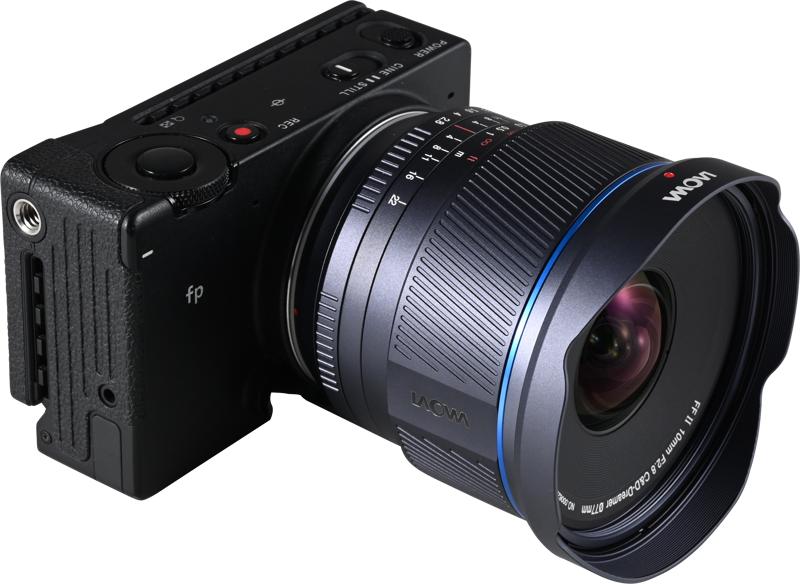
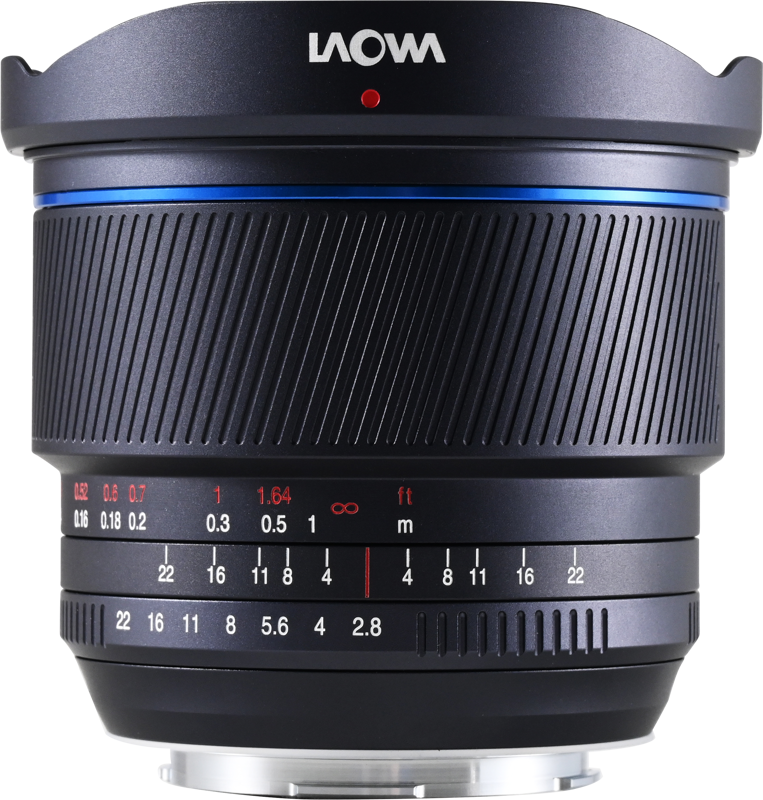
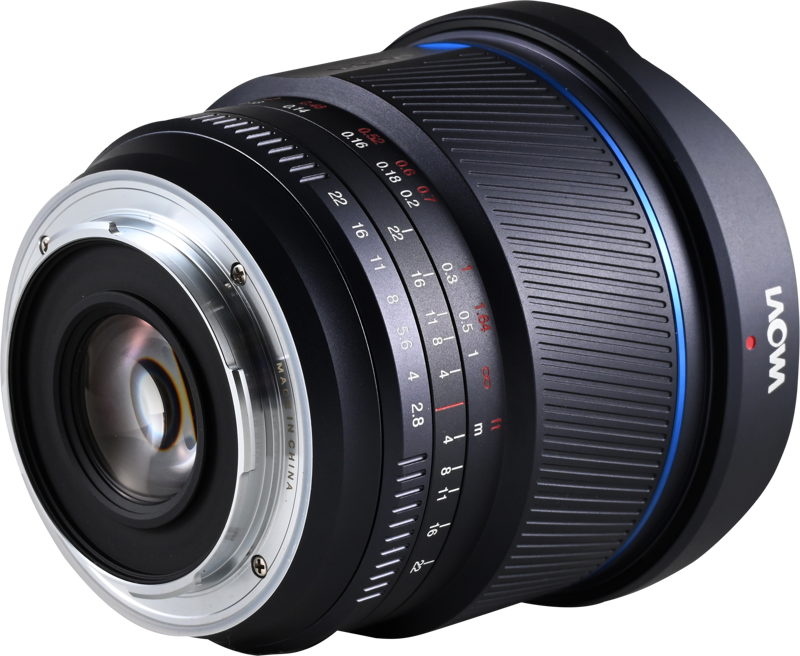
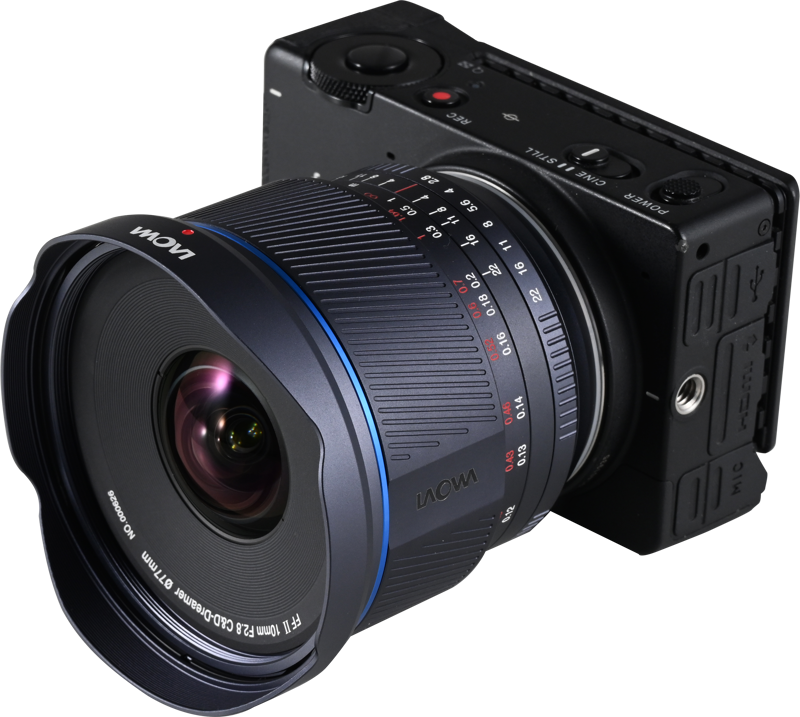
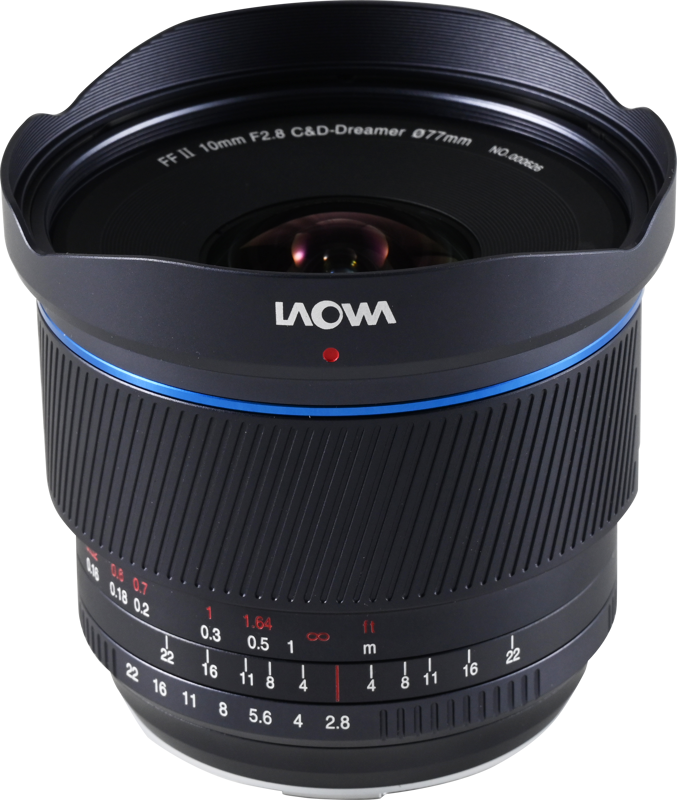
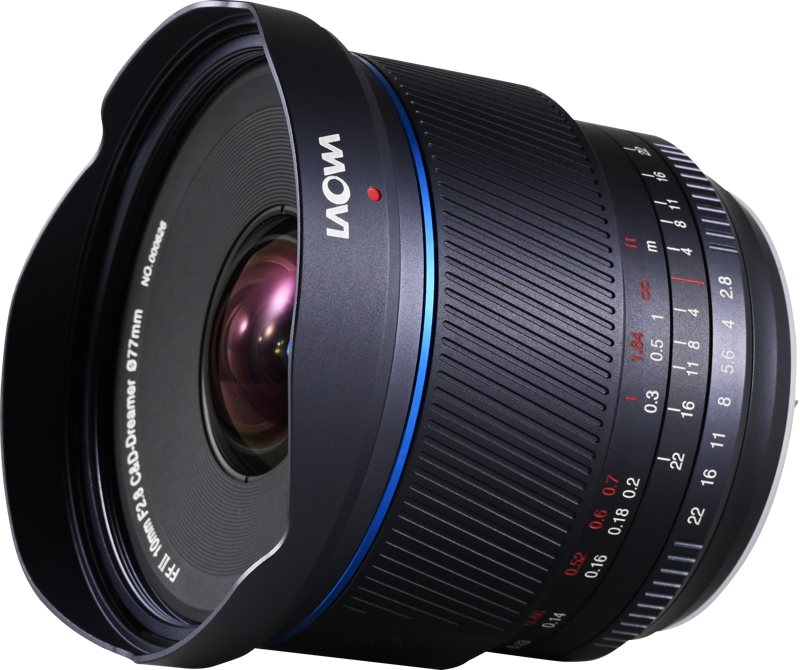
Laowa 10mm f/2.8 Zero-D FF (Manual Focus) - L Mount
- VAT free purchase available at checkout.
- BrandLaowa
Description
Article no.: 27293
Laowa 10mm f/2.8 Zero-D FF (L Mount) – 10mm ultra-wide with Zero-D near-zero distortion
The Laowa 10mm f/2.8 Zero-D FF Manual Focus is an ultra-wide-angle prime lens made for full-frame mirrorless cameras. It delivers a sweeping 10mm field of view while using Laowa’s Zero-D (near-zero distortion) optical design to keep straight lines accurate. The lens combines a bright f/2.8 aperture with a compact, lightweight construction to suit landscape, architecture, astrophotography and interior photography where distortion-free wide compositions matter.
Key Features
- 10mm ultra-wide-angle focal length — Captures expansive compositions and immersive perspectives that suit broad landscapes and tight interior spaces alike.
- Bright f/2.8 maximum aperture — Provides excellent low-light performance for night scenes and astro imaging, and gives more flexibility when shooting in dim interiors.
- Zero-D optics — Near-zero distortion design helps preserve straight lines, making the lens particularly useful for architectural and interior photography where geometric accuracy is essential.
- Manual focus design — Offers precise control over focus, enabling deliberate, fine-tuned adjustments for creative compositions and critical focus in astro and landscape work.
- Advanced optical construction — Uses high-quality glass elements engineered to minimize chromatic aberration and color fringing, supporting consistent sharpness across the frame.
- Compact and lightweight build — Keeps handling easy and reduces bulk when traveling or shooting on location, while still delivering high-quality optics.
- Full-frame coverage — Optimized for full-frame mirrorless systems, delivering the intended wide-angle perspective without crop-related compromises.
- Minimum focusing distance: 18 cm — Allows close foreground subjects for dramatic wide-angle compositions while retaining edge-to-edge performance.
- Available mounts: Sony E, Nikon Z, Canon RF, Leica L — The lens is offered for multiple mirrorless mounts, including the Leica L mount variant.
Specifications
| Specification | Details |
|---|---|
| Focal length | 10mm |
| Maximum aperture | f/2.8 |
| Optical design | Zero-D (near-zero distortion) |
| Focus type | Manual focus |
| Coverage | Full-frame mirrorless |
| Minimum focusing distance | 18 cm |
| Available mounts | Sony E, Nikon Z, Canon RF, Leica L |
Why photographers choose this lens
Photographers select the Laowa 10mm f/2.8 Zero-D FF when they need a true ultra-wide perspective with controlled distortion. The near-zero distortion optics preserve architectural lines, while the fast f/2.8 aperture supports shooting in low light and astrophotography. Manual focus gives photographers direct control, which many prefer for deliberate landscape and night-sky work. The lens’s compact form factor makes it practical for travel and location shoots where weight and size matter.
What’s in the box
- Laowa 10mm f/2.8 Zero-D FF Manual Focus Lens
- Front and Rear Lens Caps
- Lens Hood
- Protective Lens Pouch
FAQ
Question: Is this lens compatible with Leica L mount cameras? Answer: Yes. The Laowa 10mm f/2.8 Zero-D FF is available for multiple mounts including Leica L; the product page here lists the L mount variant.
Question: Does the lens have autofocus? Answer: No. This model is a manual focus lens, designed to provide precise, hands-on focusing control for critical work like landscape and astrophotography.
Question: How well does the lens handle distortion for architectural work? Answer: The lens uses Laowa’s Zero-D optical design to achieve near-zero distortion, which helps keep straight lines accurate and makes the lens well suited for architecture and interiors.
Question: Can I use this lens for night sky and low-light photography? Answer: Yes. The f/2.8 maximum aperture gives the lens strong low-light capability, making it a suitable choice for night scenes and astrophotography where wider apertures help capture faint details.
Question: What optical issues does the design address? Answer: The lens incorporates high-quality glass elements to minimize chromatic aberration and color fringing, producing sharp images from edge to edge even at wider apertures.