
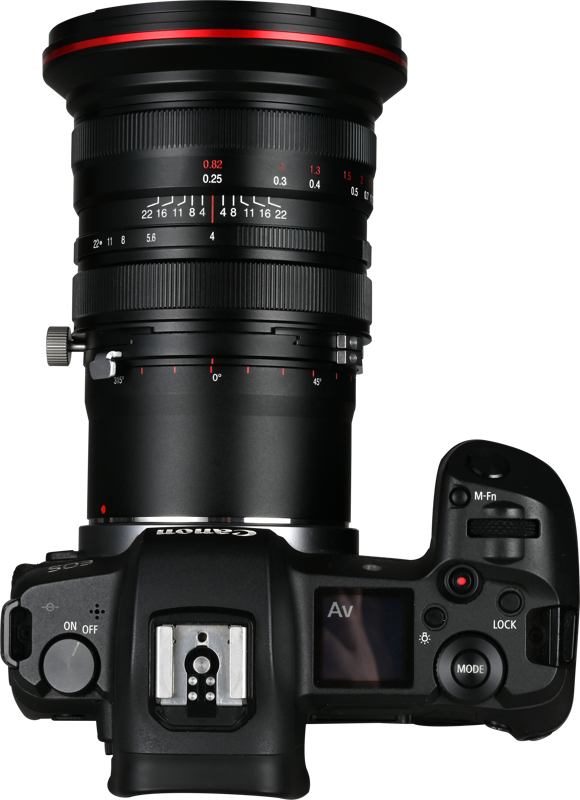
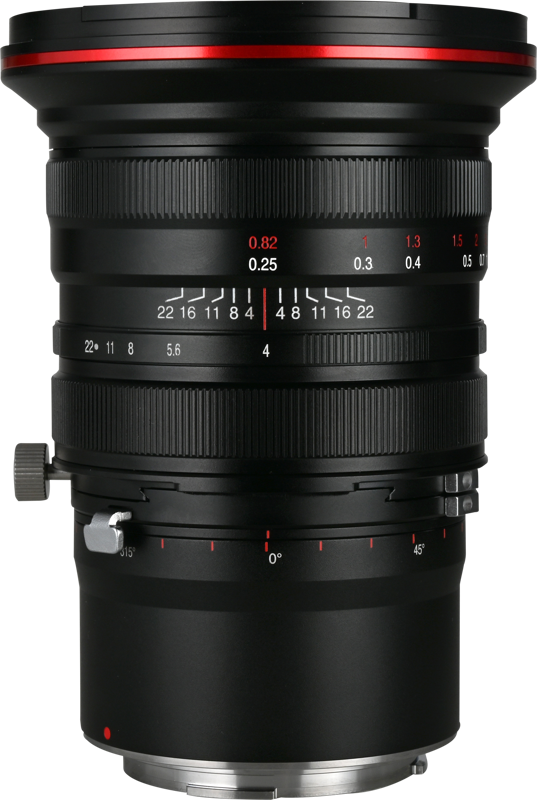
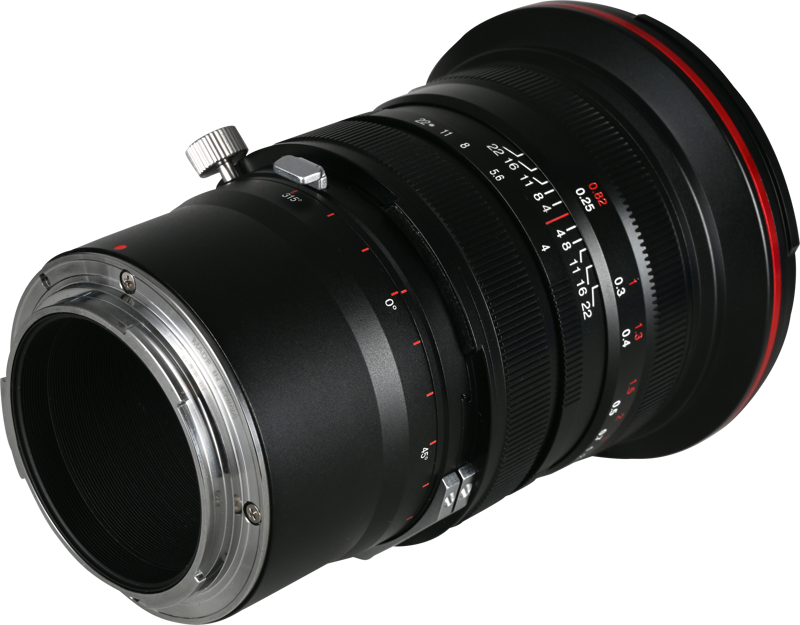
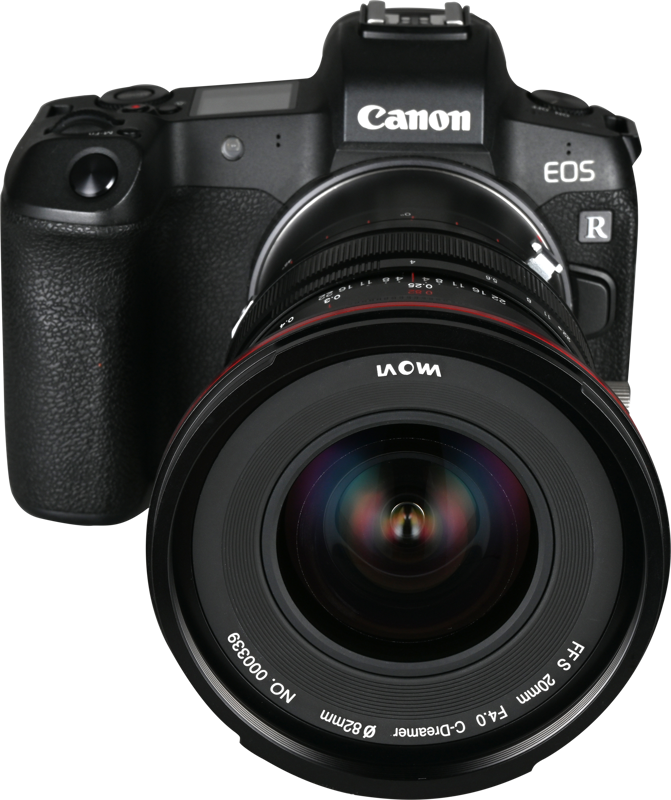
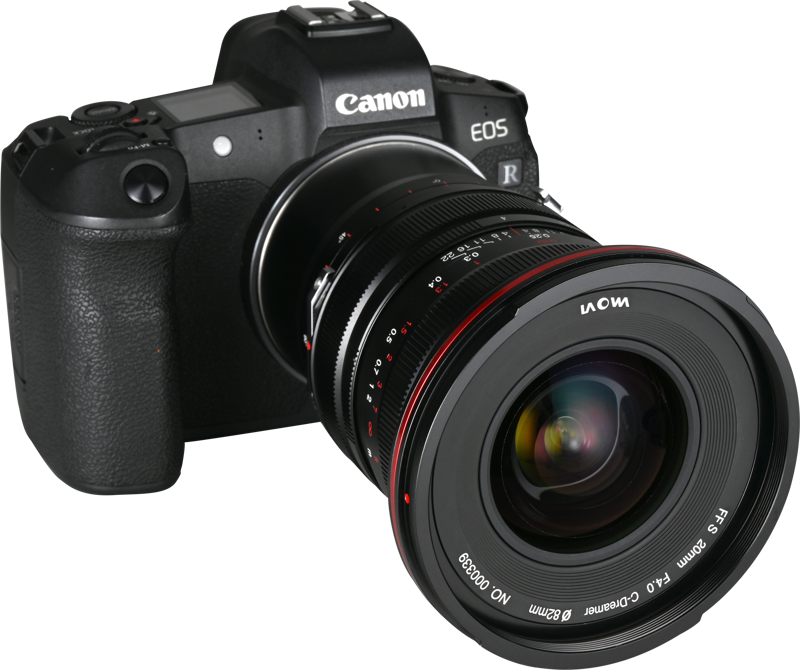
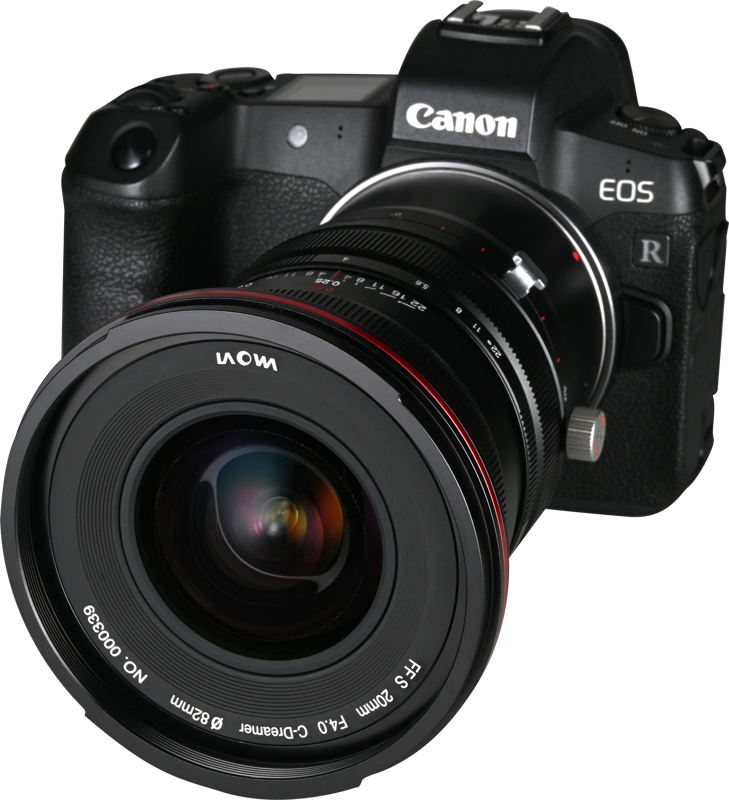
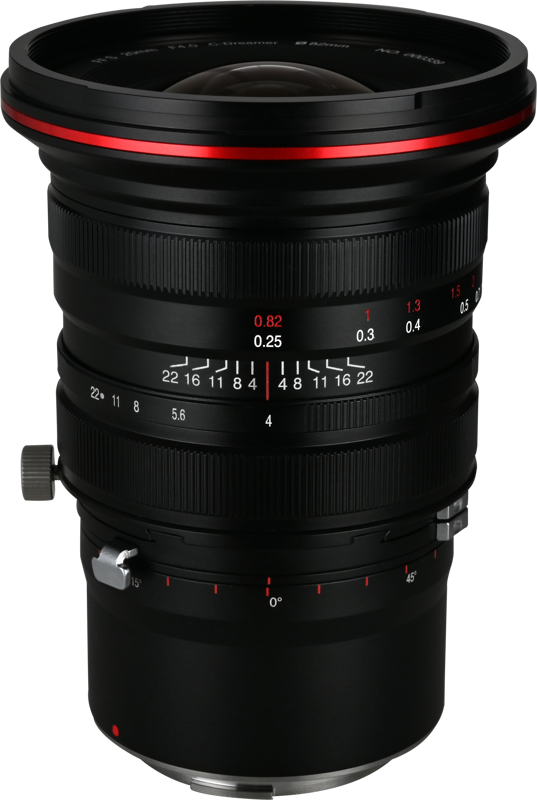
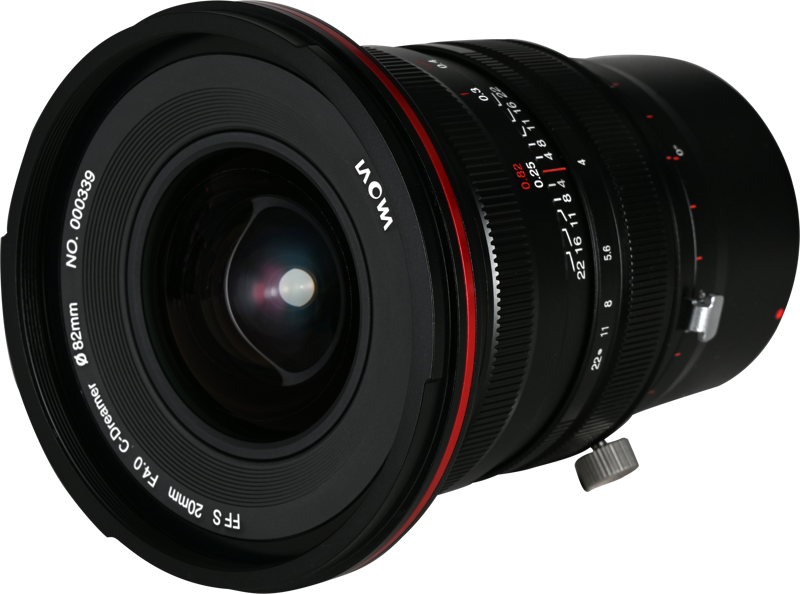
Laowa 20mm f/4 Zero-D Shift - Canon RF
- VAT free purchase available at checkout.
- BrandLaowa
Description
Article no.: 26962
Laowa 20mm f/4 Zero-D Shift – ±11mm shift for precise perspective correction (Canon RF)
The Laowa 20mm f/4 Zero-D Shift for Canon RF is an ultra-wide-angle shift lens built for architectural, interior, and landscape photographers who need accurate perspectives. With a 20mm focal length and a ±11mm shift range, the lens lets you correct perspective distortion in-camera so you can keep vertical and horizontal lines straight without relying on digital correction.
Why choose this lens for architecture and interiors?
The lens uses Laowa’s Zero-D (Zero Distortion) optical design to deliver near distortion-free images. As a result, you capture natural-looking perspectives that are essential for professional architecture work. Moreover, the large shift range enables precise framing of buildings and interiors while maintaining straight lines and minimizing the need for post-processing.
Key optical and handling features
- 20mm ultra-wide focal length: Provides expansive coverage suitable for large interiors, cityscapes, and wide architectural scenes.
- ±11mm shift capability: Allows effective perspective correction and distortion-free compositions when shooting tall structures or interiors.
- Zero-D optical design: Reduces distortion so straight lines remain straight, helping to preserve the intended geometry of buildings and architectural elements.
- Advanced optical construction: Contains 16 elements in 11 groups, including two aspherical and three extra-low dispersion elements to enhance sharpness and control chromatic aberration.
- Close focusing: A minimum focusing distance of 25 cm lets you include strong foreground elements for more dynamic compositions and creative perspectives.
- Manual control: Manual focus and manual aperture control give you precise adjustments and full creative flexibility when composing and exposing images.
- Durable metal construction: Built with a robust metal body designed to withstand professional use in demanding shooting environments.
What’s in the box
- Laowa 20mm f/4 Zero-D Shift Lens
- Front Lens Cap
- Rear Lens Cap
- Lens Hood
- Lens Pouch
Technical specifications
| Specification | Details |
|---|---|
| Focal length | 20mm |
| Maximum aperture | f/4 |
| Mount | Canon RF |
| Shift range | ±11mm |
| Optical construction | 16 elements in 11 groups, including two aspherical and three extra-low dispersion elements |
| Minimum focusing distance | 25 cm |
| Focus and aperture | Manual focus and manual aperture control |
| Construction | Robust metal construction |
Use cases and practical tips
Use the ±11mm shift to correct converging verticals when photographing tall buildings from ground level, or to adjust composition in tight interiors without tilting the camera. The near-zero distortion design helps preserve architectural lines, while the close focusing distance lets you place prominent foreground elements to add depth to wide scenes. Because focus and aperture are manual, take advantage of focus peaking on compatible cameras to achieve accurate focus quickly.
Smart FAQ
-
Question: Is this lens suitable for professional architectural photography?
Answer: Yes. The combination of a 20mm focal length, ±11mm shift capability, and Zero-D optical design makes the lens well suited for professional architectural and interior work where accurate lines and perspective correction are required. -
Question: Can I use this lens for creative landscape shots?
Answer: Absolutely. The ultra-wide 20mm field and the ability to focus as close as 25 cm allow you to include dramatic foreground elements and expansive backgrounds, making it useful for landscape compositions as well as architecture. -
Question: How does manual control affect shooting speed on location?
Answer: Manual focus and aperture provide precise control, which many professionals prefer for critical tasks. To maintain workflow speed, combine manual operation with camera tools such as focus peaking and magnification for quick and accurate focusing. -
Question: What is included with the lens to protect it during transport?
Answer: The lens ships with a front and rear cap, a lens hood, and a lens pouch to protect the optical elements and the body while moving between locations.