
Description
Article no.: 29272
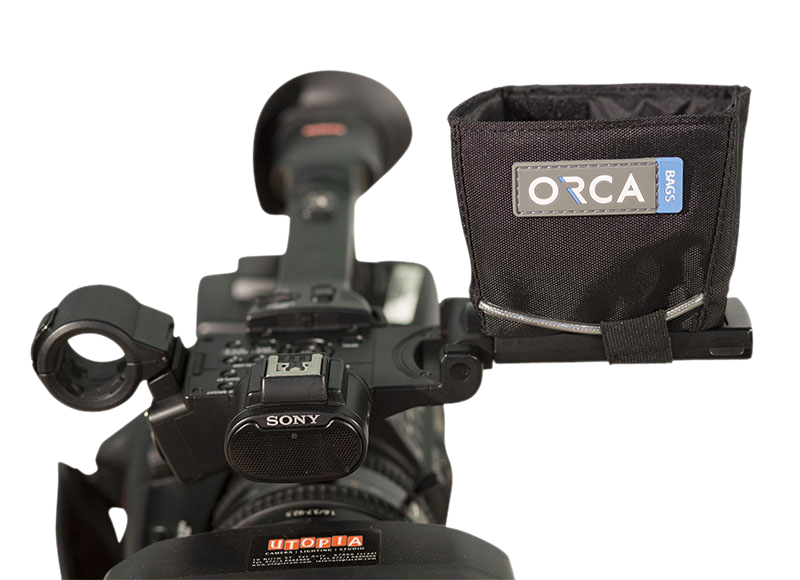
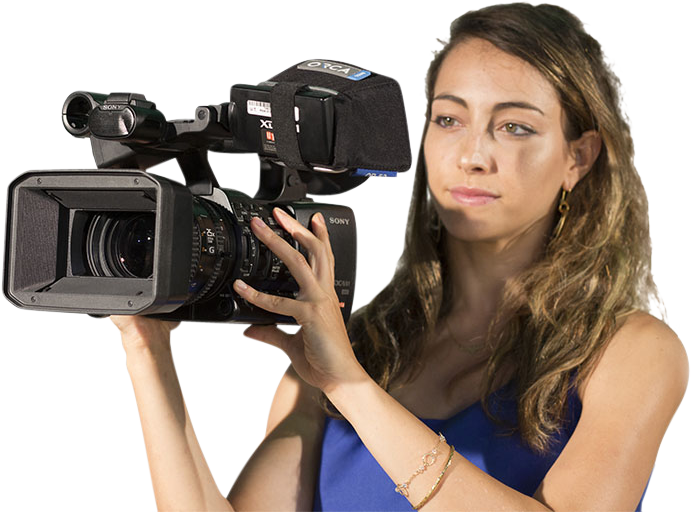
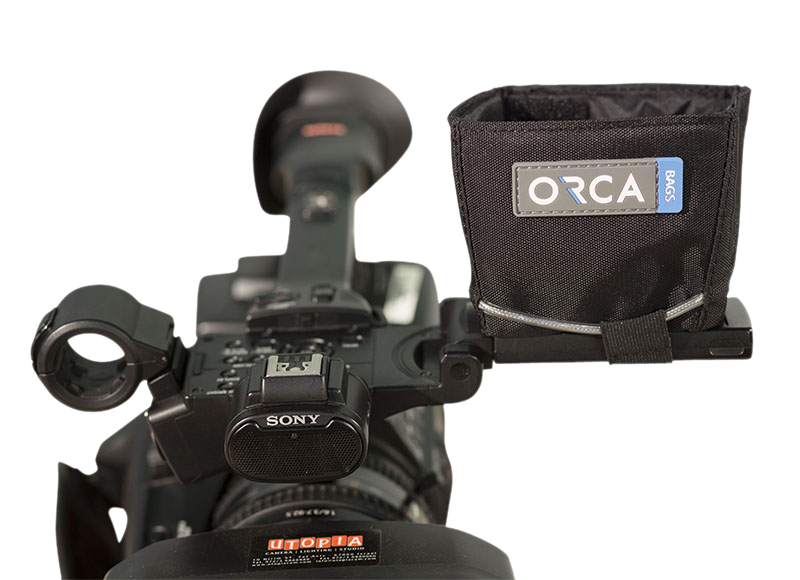
Orca OR-50 LCD Hood – Sun-shade to improve outdoor LCD viewing
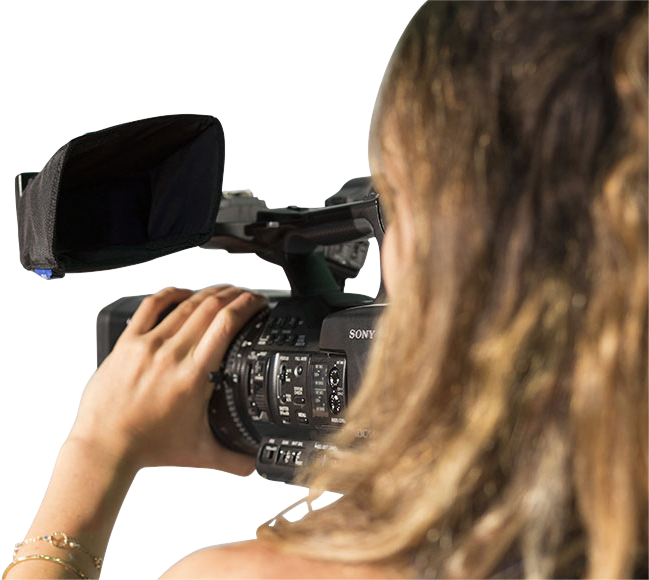
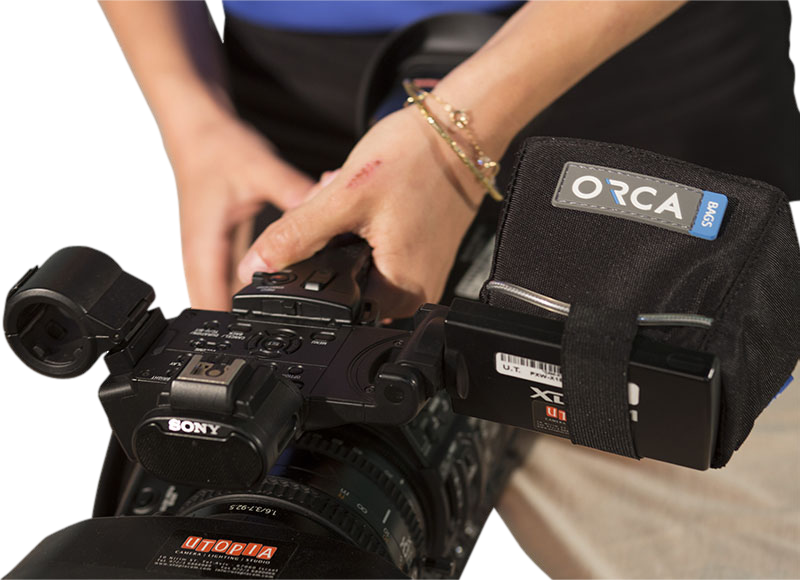
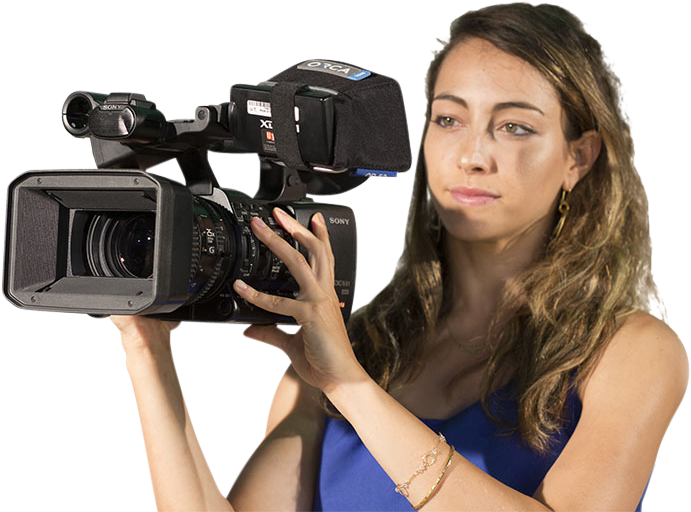
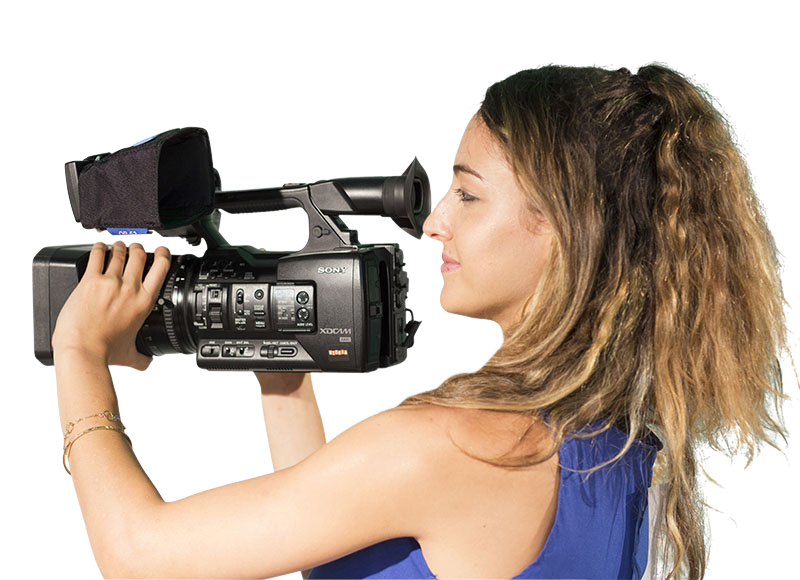
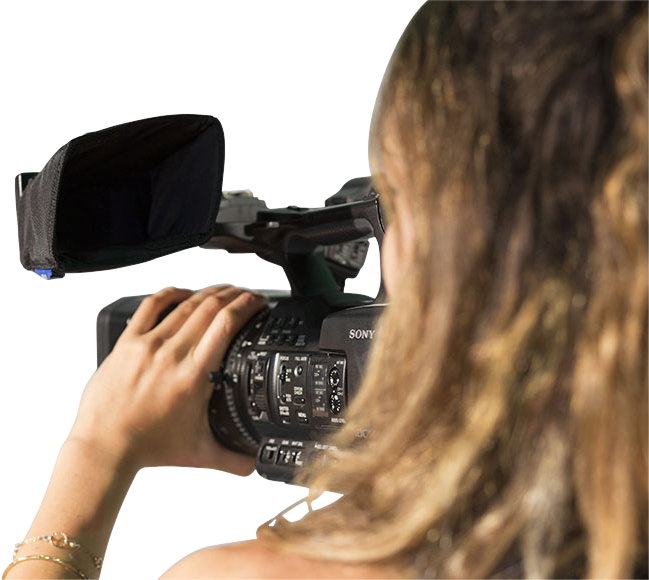
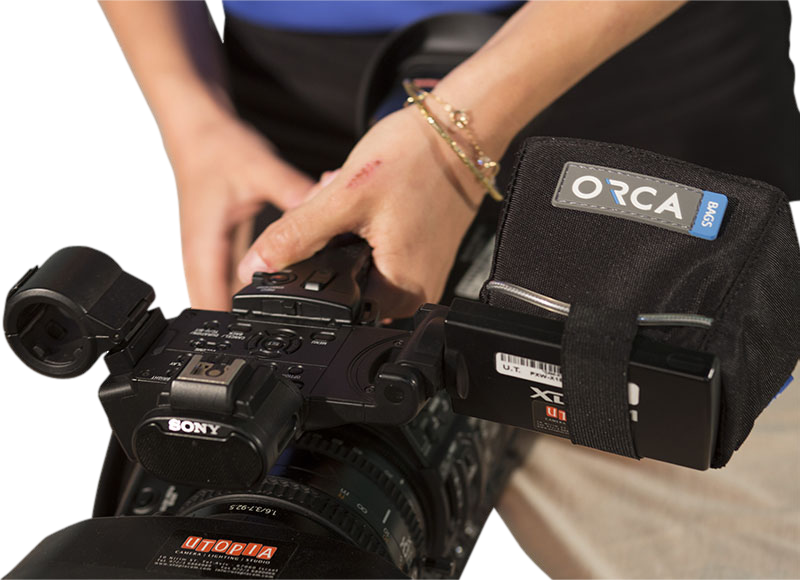
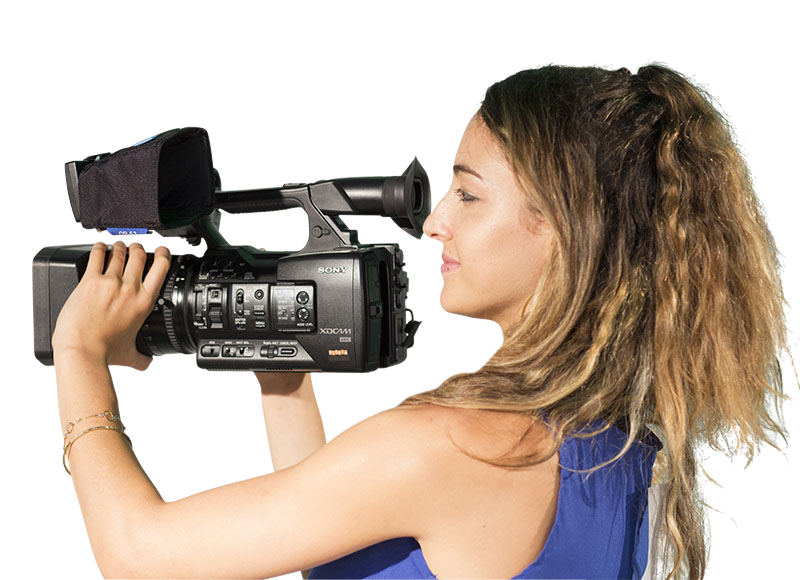
The Orca OR-50 LCD Hood helps the camera operator view images on the camera's LCD screen when shooting outdoors in direct sunlight. It reduces glare on the display so you can check framing, exposure and focus more reliably while working in bright conditions.
Compatibility — designed to fit specific camera models
The OR-50 is designed to fit the following camera models:
- Sony: HXR-NX3, NEX-FS700, PMW-100/200, NX-5, PDW-700, HVR-Z5/Z7
- Canon: XF-105, XF-205
- Panasonic: AG-3DA1, AJ- PX 270
Special features
The OR-50 combines materials and a compact design to suit active shooting environments. Its key features include:
- Manufactured from special long lasting EVA material
- Light and easy to use and fold/store.
- Extremely compact when not in use.
- Available in 4 different sizes.
Because the hood uses durable EVA material, it keeps its shape and function through regular handling. Meanwhile, its lightweight construction makes it practical to carry between locations, and it folds down to a small size for convenient storage when not needed.
Use cases and benefits
Use the OR-50 whenever you need clearer LCD visibility outdoors. It is especially useful for solo operators and small crews who rely on the camera’s built-in screen for monitoring. In addition, the multiple sizes allow you to choose the hood that fits your camera model and shooting setup.
FAQ
Question: Which cameras does the OR-50 fit?
Answer: The OR-50 is designed to fit the listed Sony, Canon and Panasonic models: Sony HXR-NX3, NEX-FS700, PMW-100/200, NX-5, PDW-700, HVR-Z5/Z7; Canon XF-105, XF-205; Panasonic AG-3DA1, AJ- PX 270.
Question: What material is the hood made from?
Answer: The OR-50 is manufactured from a special long lasting EVA material, which contributes to its durability and maintaining shape during use.
Question: Is the hood easy to carry and store?
Answer: Yes. The OR-50 is described as light and easy to use and fold/store, and it becomes extremely compact when not in use, making it convenient for transport and storage between shoots.
Question: Are there different sizes available?
Answer: The OR-50 is available in 4 different sizes, allowing you to select the size that matches your camera model and viewing needs.
Question: When should I use an LCD hood like the OR-50?
Answer: Use the OR-50 when shooting outdoors in direct sunlight or any high-glare situation where the camera’s LCD becomes difficult to read; it helps the operator assess framing, exposure and focus more accurately.