


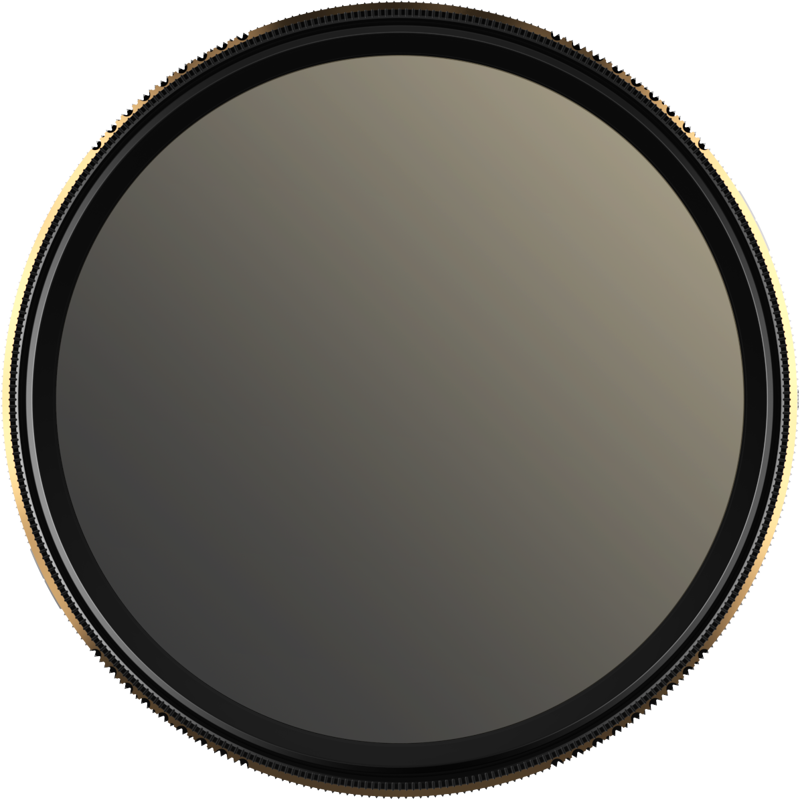
PolarPro PMVND 2-5 Stop Edition II 67mm
- VAT free purchase available at checkout.
- BrandPolarPro
Description
Article no.: 29467
PolarPro PMVND 2-5 Stop Edition II 67mm – Variable 2–5 Stop Light Control
The PolarPro PMVND 2-5 Stop Edition II 67mm gives photographers and filmmakers precise exposure control in changing light. With a simple twist, you can adjust between 2 and 5 stops to manage bright outdoor conditions or to work with wide apertures for shallow depth of field.
Why choose the PMVND 2-5 Stop Edition II
This variable ND filter helps you adapt quickly to different shooting scenarios. You can dial exposure down smoothly and repeatedly using the machined indicator markings. As a result, you maintain consistent settings across shots and focus on composition and motion rather than technical adjustments.
Key features and benefits
- 2-5 Stop Light Control: Effortlessly dial between 2 and 5 stops to reduce exposure, making it easier to shoot in bright environments and retain control when using wide apertures.
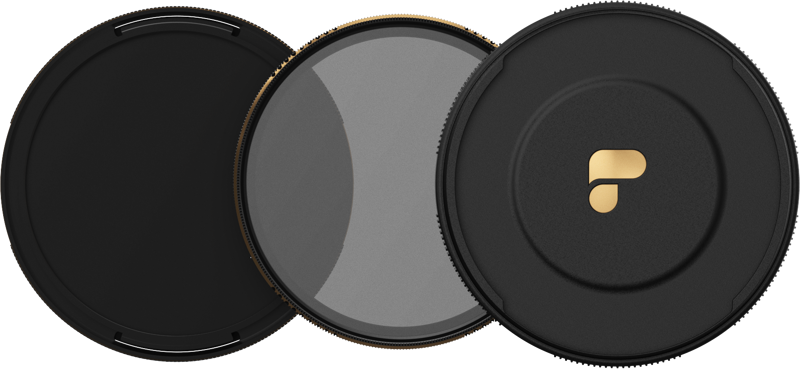
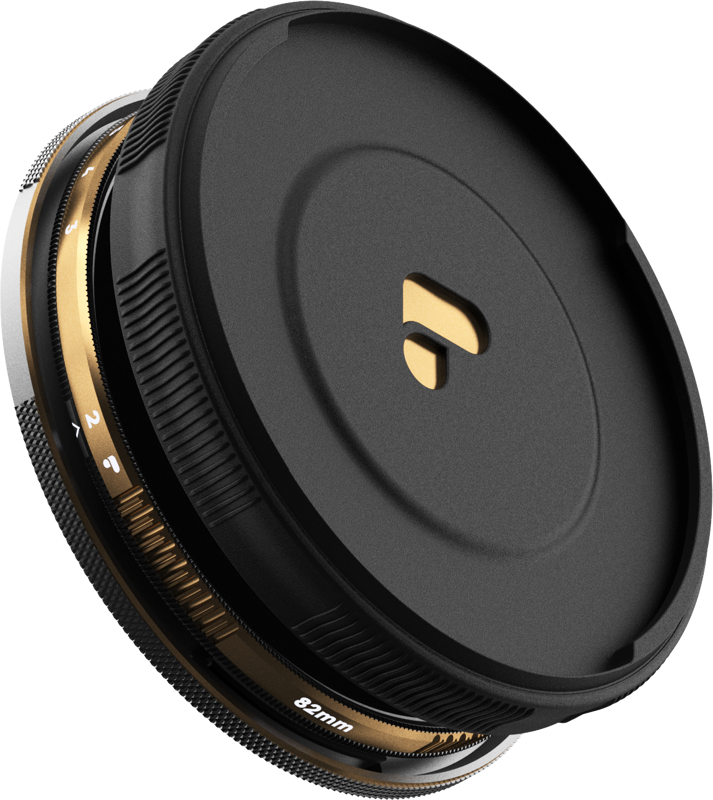
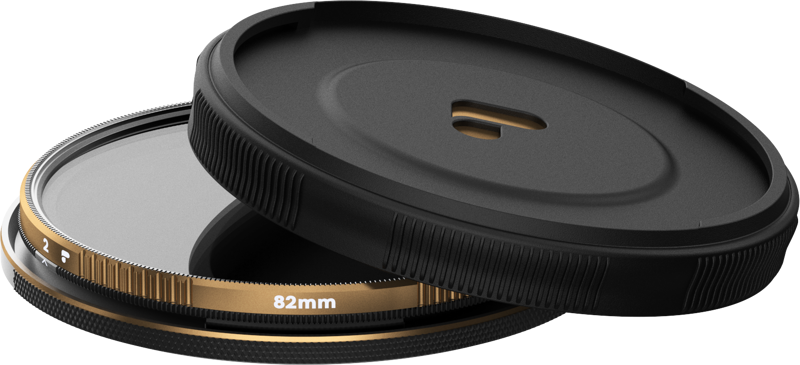
- Defender360 Protection: The filter ships with a fully enclosed hard cover and a soft case to protect the glass and frame from dust, scratches, and impacts during transport and storage.
- Zero Cross Polarization: Designed to minimize the "X-pattern" that can appear with some variable ND filters, delivering even light reduction across the frame for cleaner, more usable images.
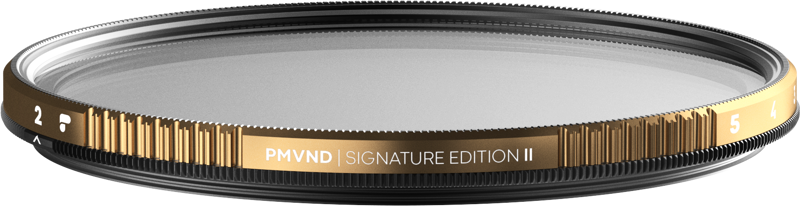
- Precision Machined Frame: The frame is engineered for durability and smooth operation. It features machined indicator markings to help you track your settings for consistent results.
- CinemaSeries Glass: Uses PolarPro’s premium multi-coated glass to preserve sharpness and color neutrality, helping shots retain clarity and accurate colors.
- Easy Adjustment: The combination of a smooth rotating action and visible indicator markings makes it straightforward to set and repeat exposure values while shooting.
Use cases
Use this filter for bright outdoor shoots, when you need to control exposure without changing shutter speed or aperture. It is also well suited for filmmakers and photographers who want to maintain a shallow depth of field in strong light or who need to adapt quickly to varying lighting during a take.
What’s in the box
- 1x Filter
- 1x Case
- 1x Microfiber cleaning cloth
Technical specifications
| Specification | Detail |
|---|---|
| Filter size | 67mm |
| Light reduction | 2–5 stops |
FAQ
Question: Will this filter fit my lens?
Answer: The PolarPro PMVND Edition II shown here is 67mm, so it fits lenses with a 67mm filter thread. If your lens has a different thread size, look for the corresponding filter size or use a step-up/step-down ring as needed.
Question: How do I avoid the "X-pattern" when using a variable ND?
Answer: The PMVND Edition II includes Zero Cross Polarization to reduce the "X-pattern" issue. Still, use the filter within its specified range (2–5 stops) and check compositions to ensure even light reduction across your frame.
Question: How can I keep the filter clean and protected while traveling?
Answer: The filter includes a fully enclosed hard cover and a soft case as part of Defender360 Protection, plus a microfiber cleaning cloth for safe cleaning of the CinemaSeries glass. Store the filter in its case when not in use to minimize dust and scratches.
Question: Can I use this when filming fast-moving scenes or landscapes?
Answer: Yes. The PMVND 2–5 Stop Edition II is described as suitable for both fast-moving scenes and landscapes because it lets you maintain exposure control without continuously changing camera settings, enabling consistent results across dynamic shooting conditions.