
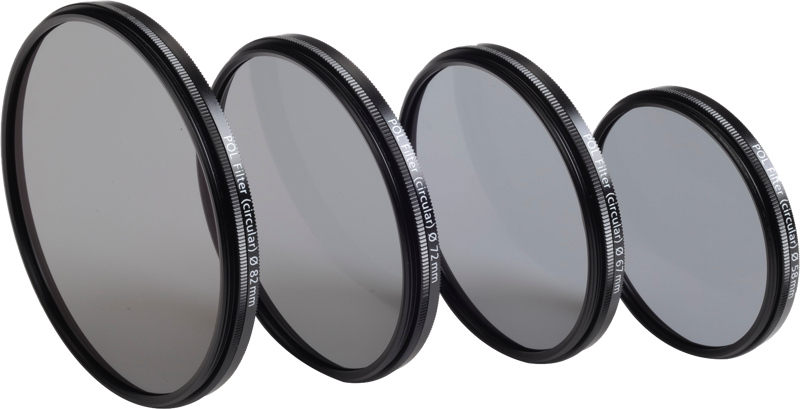
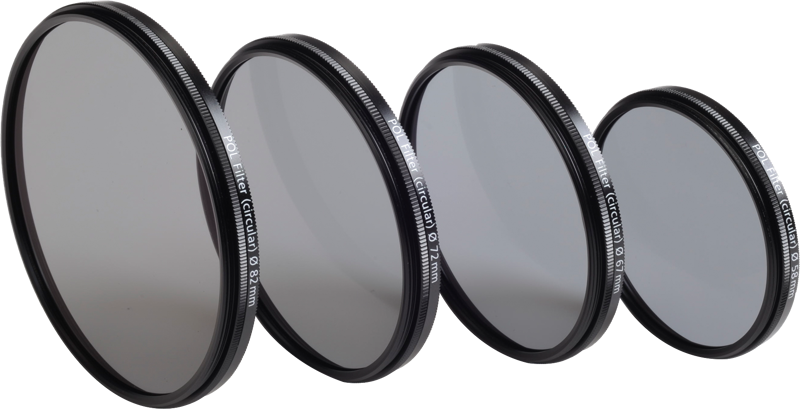
Zeiss T* Polarizing Filter Circular 95mm
- VAT free purchase available at checkout.
- BrandZeiss
Description
Article no.: 30763
Zeiss T* Polarizing Filter Circular 95mm – Minimizes reflections with T* anti-reflective coating
For photos that become revelations.
What this filter does
The Zeiss T* Circular Polarizing (POL) filter reduces reflections on non-metallic surfaces and increases color saturation in long-distance shots. It helps you capture clearer skies, richer colors and improved contrast by removing unwanted glare and scattered light.
Optical quality and coating
The filter uses high-quality glass combined with the Carl Zeiss T* anti-reflective coating. As a result, you get improved transmission and reduced internal reflections. This coating contributes directly to cleaner images and better color definition.
Control and exposure
The filter has a rotary mount so you can set the polarizing effect precisely. Rotate the filter to adjust the degree of polarization. Expect a light reduction of approximately 1.5–2 EV when the effect is applied, which you should account for when setting exposure.
Design, fit and handling
- Precision: Rotary mount for accurate setting of the filter effect, allowing fine adjustments while shooting.
- Flexibility: High-fit accuracy for fast filter changes and reliable alignment on the lens.
- Use with lens shade: The filter can be used together with a lens shade when needed.
Compatibility
The filter is ideal for ZEISS lenses but it can also be used with non-ZEISS lenses. In other words, it pairs especially well with Zeiss optics while remaining broadly compatible across other lens brands.
When to use it
Use this circular polarizer when you want to reduce reflections from glass, water or foliage, and when you want stronger color saturation and contrast in distant scenes. It is particularly useful for landscape and outdoor photography where glare and atmospheric haze reduce image quality.
Specifications
| Specification | Value |
|---|---|
| Product | Zeiss T* Polarizing Filter Circular |
| Filter diameter | 95mm |
| Coating | Carl Zeiss T* anti-reflective coating |
| Light reduction | 1.5–2 EV |
| Mount type | Rotary mount |
| Compatibility | Ideal for ZEISS lenses; can be used with non-ZEISS lenses |
| Effect | Minimizes reflections on non-metallic surfaces; increases color saturation in long-distance shots |
| Fit and handling | High-fit accuracy for fast filter changes; usable with a lens shade |
FAQ
Question: Will this filter work on lenses that are not ZEISS?
Answer: Yes. The filter is ideal for ZEISS lenses but it can also be used with non-ZEISS lenses, providing the polarizing effect and T* coating benefits across compatible lens threads.
Question: How do I control the polarizing effect?
Answer: Rotate the filter’s rotary mount to set the desired level of polarization. This lets you fine-tune the reduction of reflections and the enhancement of color saturation.
Question: How much does the filter affect exposure?
Answer: The polarizer reduces light by about 1.5–2 EV when in use. You should compensate for this reduction when choosing exposure settings.
Question: Can I use the filter with a lens hood?
Answer: Yes. The filter can be used together with a lens shade, which helps maintain shading and reduce stray light while keeping the polarizing effect.
Question: What visual improvements should I expect?
Answer: Expect fewer reflections on non-metallic surfaces and more vivid color saturation in distant scenes, leading to improved contrast and clearer overall images.